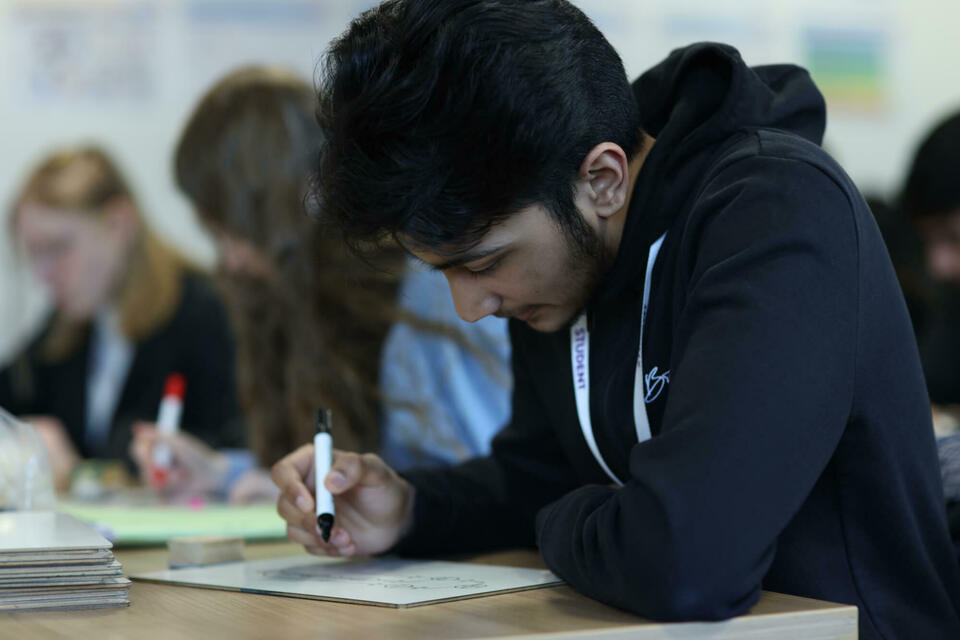
Shape the digital future. This exciting and practical qualification develops the knowledge, technical skills and problem-solving abilities needed for success in today's rapidly evolving IT industry. You'll explore how technology powers organisations, create digital solutions, manage data, develop software and investigate cyber security challenges while building real-world employability skills. The course meets entry requirements in its own right for some courses in IT or related study such as an HNC or HND in Computing, Engineering or Business Management. For progression to a degree course, learners should normally study this qualification alongside other qualifications, such as an A Level or V-Level Digital Systems and Data in a different or complementary subject area.
Double Vocational subjects can be studied alongside A Levels and/or Single Vocational courses. Students studying three A Levels or a mixed programme will be expected to have a minimum of two GCSEs at grade 5 and three at grade 4, including English Language and Mathematics.
This qualification is 720 Guided Learning Hours, equivalent in size to two A Levels. There are eight units of which six are mandatory (Information Systems, Databases, Social Media, Programming, IT Project Management, and Cybersecurity, with a potential to study Web Development and Game Development) and three are external.
There will be three externally examined units, and five internally assessed units of study. The qualification is designed to be studied over two years and carries UCAS tariff points.
You will study eight units as follows:
1. Information Technology Systems (M)
2. Creating Systems to Manage Information (M)
3. Using Social Media in Business (M)
4. Programming (M)
5. IT Project Management (M)
6. Cyber Security and Incident Management (M)
Plus two specialised units, which could include Mobile Apps Development, Website Development, Computer Games Development, or Data Modelling. These are to be confirmed.
This industry-relevant curriculum has been developed in partnership with employers and universities to ensure students gain the knowledge and skills needed for future success. Students will take part in hands-on projects that reflect real workplace scenarios in the IT industry, helping them develop practical programming, analytical and technical skills. Alongside this, there is a strong emphasis on teamwork, communication and project management, preparing students to work effectively in professional environments. The course provides an excellent foundation for progression to university, apprenticeships and a wide range of digital careers.
Assessment is carried out through a combination of coursework-based assignments, practical projects, externally assessed examinations and industry-style set tasks. Students will complete work based on realistic scenarios that help to develop both professional skills and technical understanding. This varied approach allows students to demonstrate their knowledge while also applying their skills in practical situations.
Unit 1 Exam - External Written paper
Unit 2 Exam - External On-Screen Test
Unit 11 Exam - External On-Screen Test
Additionally, there will be 5 internally assessed units that include theoretical and practical assignments. Each of these assignments carry a unique weighting towards the final grading.
Final grades are awarded range from Distinction*, Distinction, Merit, and pass.
Enhance your learning through a range of enrichment opportunities, including industry guest speakers, employer-led workshops, digital and cyber competitions, work experience placements, and visits to universities and technology organisations. These experiences provide valuable insight into the industry, helping students build professional networks, develop employability skills and gain a deeper understanding of potential career pathways.
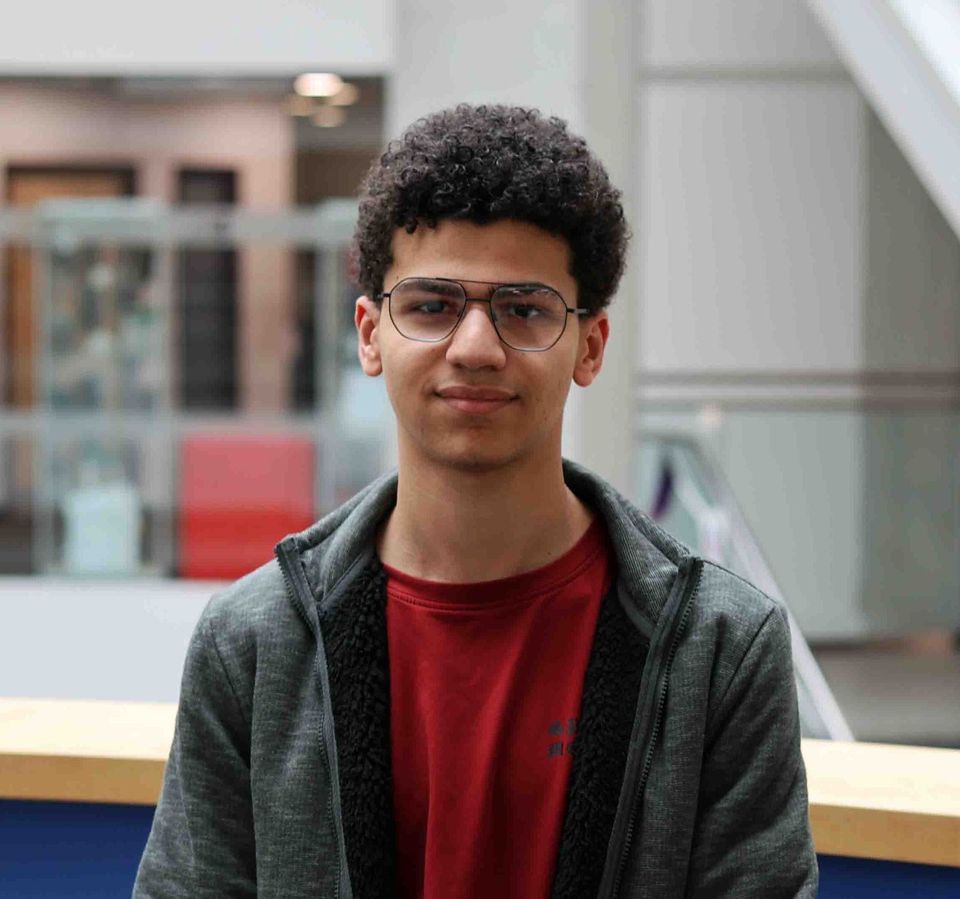
A first-year student at The Sixth Form Bolton has successfully competed in a national robotics competition, representing both his college and community on a national stage.
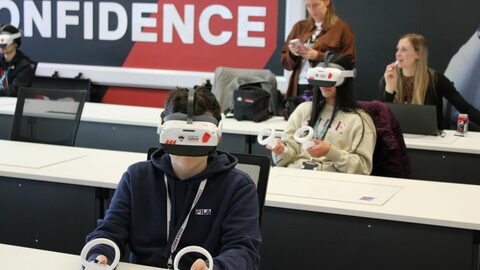
Students Excel During Insightful Microsoft Event Students from The Sixth Form Bolton were
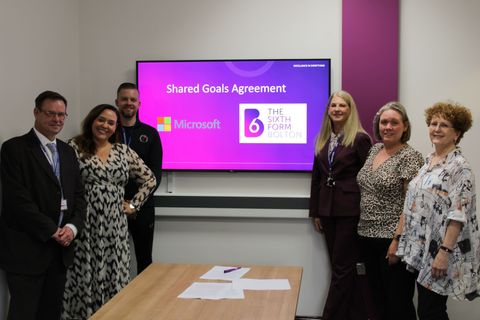
Stuart Merrills, Principal of The Sixth Form Bolton; Jen Whyatt, Director of Education; Curtis
This site uses cookies that enable us to make improvements, provide relevant content, and for analytics purposes. For more details, see our Cookie Policy. By clicking Accept, you consent to our use of cookies.